千字文 · The Thousand Character Classic
千字文 in 42 cards
The whole poem that Chinese children learned to read and write with for more than a thousand years: 250 lines, a thousand characters, on 42 cards of three couplets. Take two or three days for each card.
The 千字文 was written in the early sixth century by Zhou Xingsi (周兴嗣): 250 lines of four characters, made from a thousand different characters. In simplified script six of them look alike (发 洁 云 昆 并 戚), because simplification merged characters that used to be different, such as 髮 (hair) and 發 (in the name of King Wu, 周发). It begins with heaven and earth, the seasons and the first rulers, goes on to how a person should live, shows the capitals, the great men and the wide land, then the quiet life in the country, and ends with four small particles.
How a card goes
A card holds three couplets: six lines of four characters, 24 characters in all. That is enough for two or three days. Move on when you can say the card without looking.
- Weave back. Before a new card, say the card before again, and the one four cards back.
- Copy, read, recite. On the first day copy each couplet once by hand and read it aloud; on the second, recite it two or three times without looking. One line is one breath.
- Learn the melody, not four tones. The four tones of a line form one small tune. If you slip, finish the line and say it again.
- Every sixth card, recite the whole block of six cards.
Two readings
Every line comes with its traditional meaning. Some lines also carry Siyun's reading: a second, deliberately free reading that takes the characters one by one and asks how a world comes to be known and put in order. It bends the text on purpose and is open to debate. The traditional meaning always stands beside it.
Cards 1–6
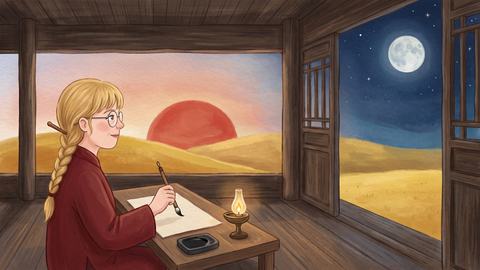 1天地玄黄 宇宙洪荒
日月盈昃 辰宿列张
寒来暑往 秋收冬藏
 2闰余成岁 律吕调阳
云腾致雨 露结为霜
金生丽水 玉出昆冈
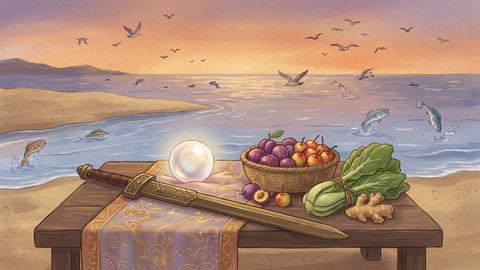 3剑号巨阙 珠称夜光
果珍李柰 菜重芥姜
海咸河淡 鳞潜羽翔
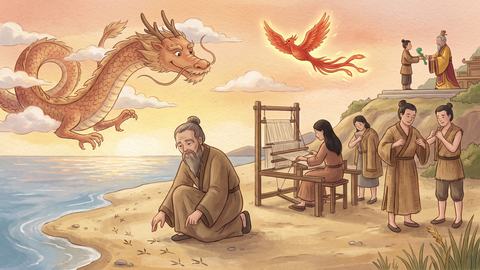 4龙师火帝 鸟官人皇
始制文字 乃服衣裳
推位让国 有虞陶唐
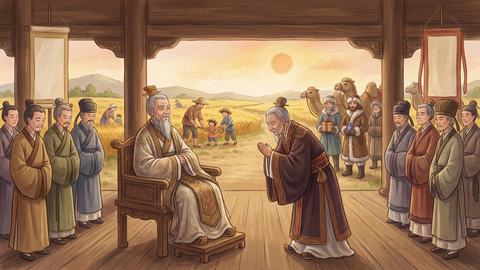 5吊民伐罪 周发殷汤
坐朝问道 垂拱平章
爱育黎首 臣伏戎羌
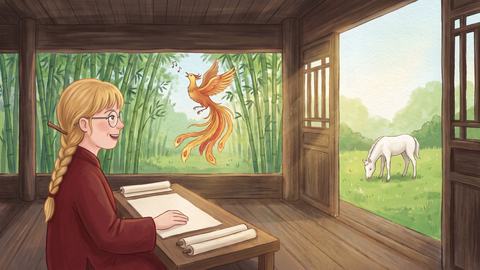 6遐迩一体 率宾归王
鸣凤在竹 白驹食场
化被草木 赖及万方
Cards 7–12
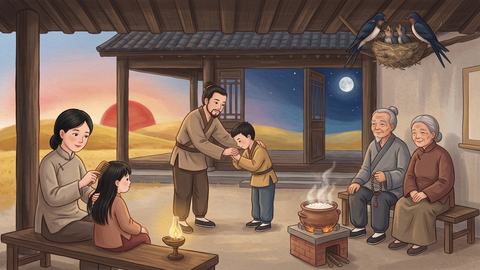 7盖此身发 四大五常
恭惟鞠养 岂敢毁伤
女慕贞洁 男效才良
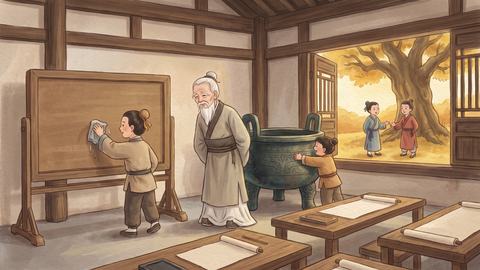 8知过必改 得能莫忘
罔谈彼短 靡恃己长
信使可覆 器欲难量
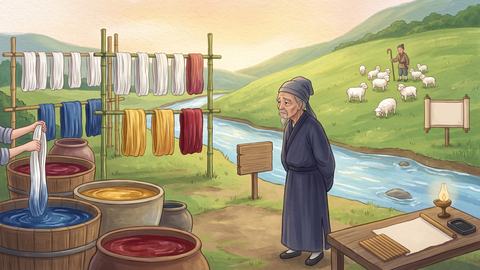 9墨悲丝染 诗赞羔羊
景行维贤 克念作圣
德建名立 形端表正
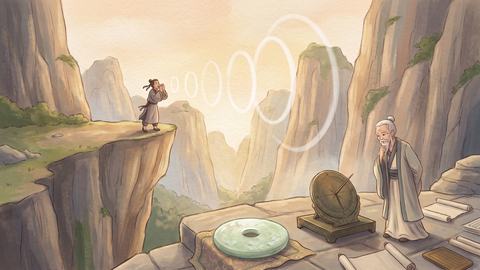 10空谷传声 虚堂习听
祸因恶积 福缘善庆
尺璧非宝 寸阴是竞
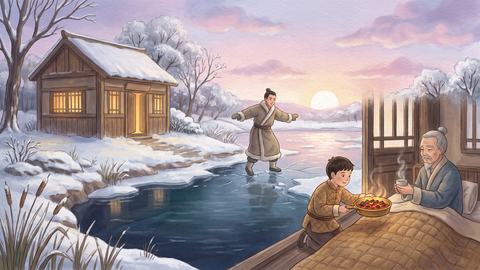 11资父事君 曰严与敬
孝当竭力 忠则尽命
临深履薄 夙兴温凊
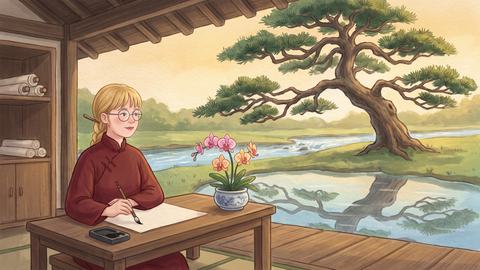 12似兰斯馨 如松之盛
川流不息 渊澄取映
容止若思 言辞安定
Cards 13–18
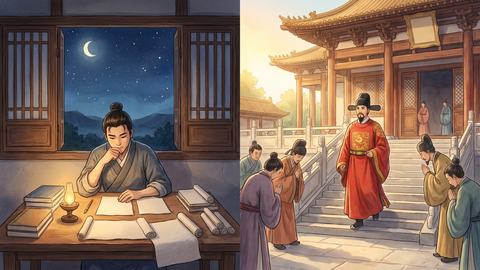 13笃初诚美 慎终宜令
荣业所基 籍甚无竟
学优登仕 摄职从政
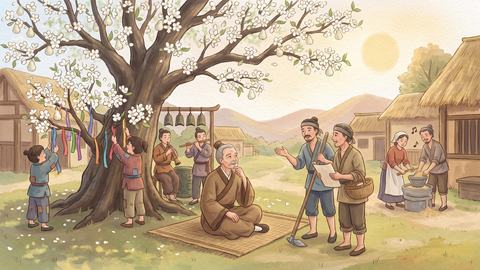 14存以甘棠 去而益咏
乐殊贵贱 礼别尊卑
上和下睦 夫唱妇随
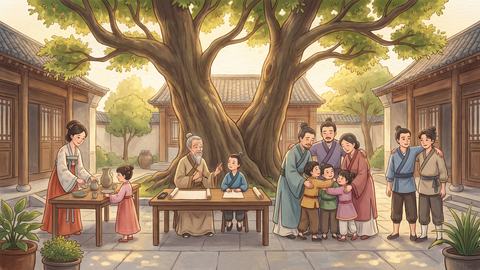 15外受傅训 入奉母仪
诸姑伯叔 犹子比儿
孔怀兄弟 同气连枝
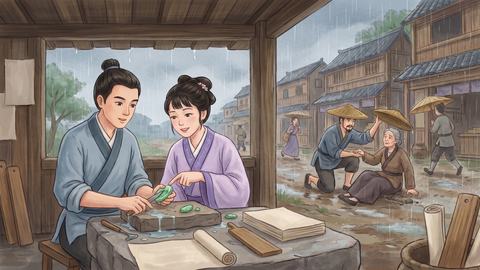 16交友投分 切磨箴规
仁慈隐恻 造次弗离
节义廉退 颠沛匪亏
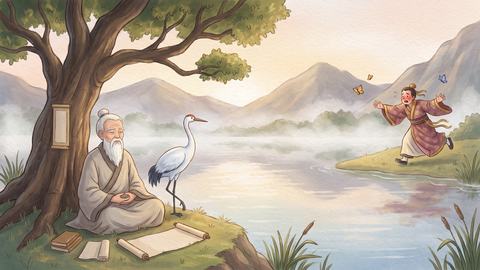 17性静情逸 心动神疲
守真志满 逐物意移
坚持雅操 好爵自縻
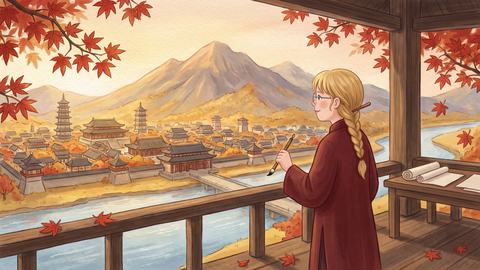 18都邑华夏 东西二京
背邙面洛 浮渭据泾
宫殿盘郁 楼观飞惊
Cards 19–24
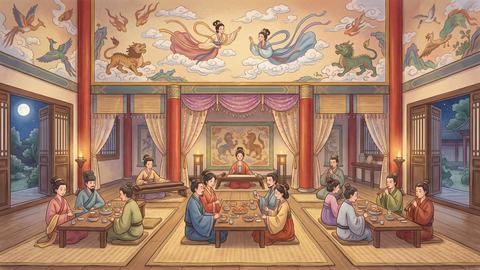 19图写禽兽 画彩仙灵
丙舍傍启 甲帐对楹
肆筵设席 鼓瑟吹笙
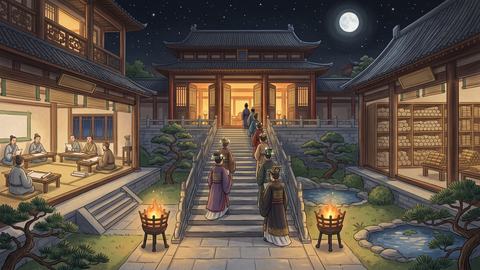 20升阶纳陛 弁转疑星
右通广内 左达承明
既集坟典 亦聚群英
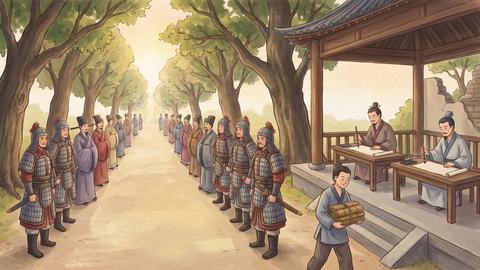 21杜稿钟隶 漆书壁经
府罗将相 路侠槐卿
户封八县 家给千兵
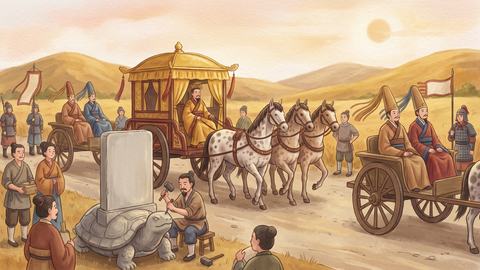 22高冠陪辇 驱毂振缨
世禄侈富 车驾肥轻
策功茂实 勒碑刻铭
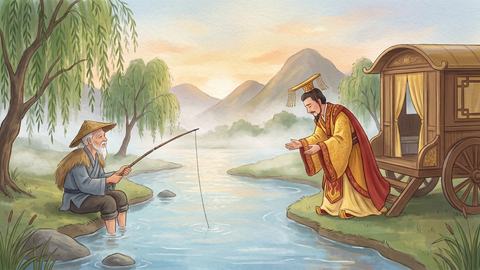 23磻溪伊尹 佐时阿衡
奄宅曲阜 微旦孰营
桓公匡合 济弱扶倾
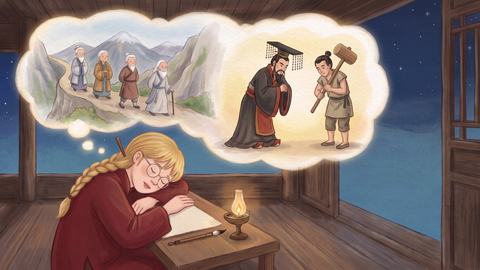 24绮回汉惠 说感武丁
俊乂密勿 多士寔宁
晋楚更霸 赵魏困横
Cards 25–30
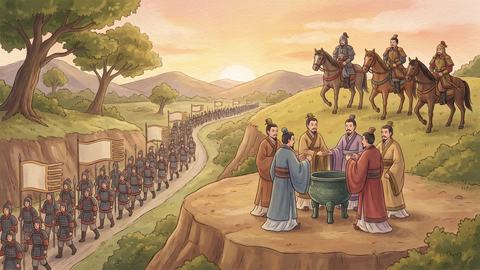 25假途灭虢 践土会盟
何遵约法 韩弊烦刑
起翦颇牧 用军最精
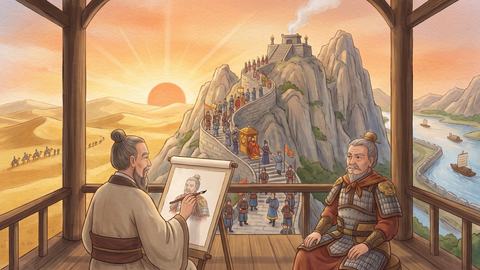 26宣威沙漠 驰誉丹青
九州禹迹 百郡秦并
岳宗泰岱 禅主云亭
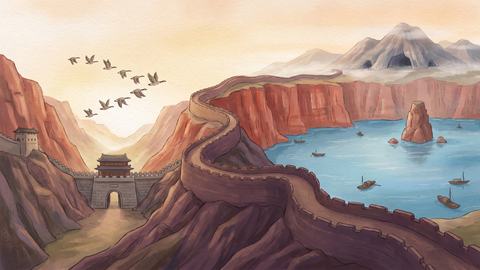 27雁门紫塞 鸡田赤城
昆池碣石 钜野洞庭
旷远绵邈 岩岫杳冥
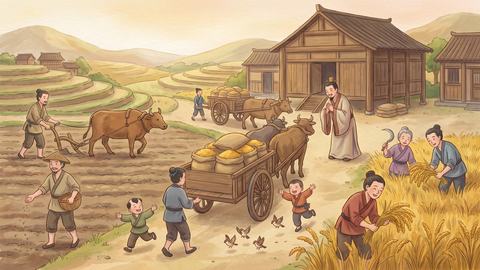 28治本于农 务兹稼穑
俶载南亩 我艺黍稷
税熟贡新 劝赏黜陟
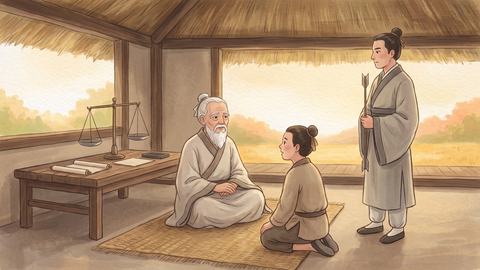 29孟轲敦素 史鱼秉直
庶几中庸 劳谦谨敕
聆音察理 鉴貌辨色
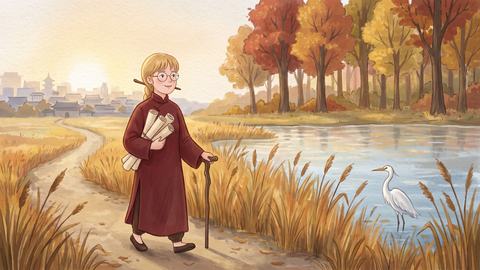 30贻厥嘉猷 勉其祗植
省躬讥诫 宠增抗极
殆辱近耻 林皋幸即
Cards 31–36
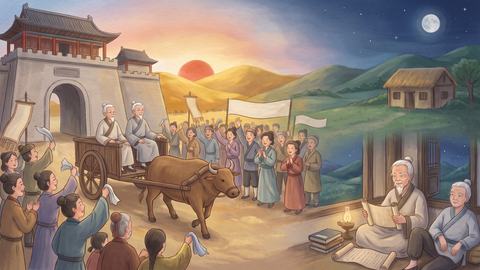 31两疏见机 解组谁逼
索居闲处 沉默寂寥
求古寻论 散虑逍遥
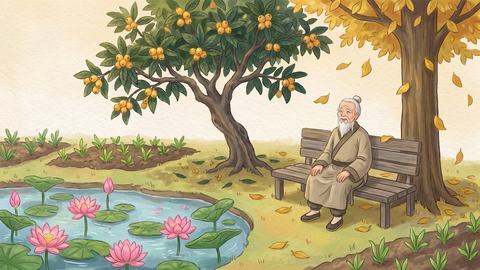 32欣奏累遣 戚谢欢招
渠荷的历 园莽抽条
枇杷晚翠 梧桐蚤凋
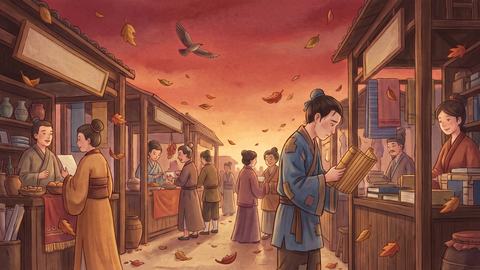 33陈根委翳 落叶飘摇
游鹍独运 凌摩绛霄
耽读玩市 寓目囊箱
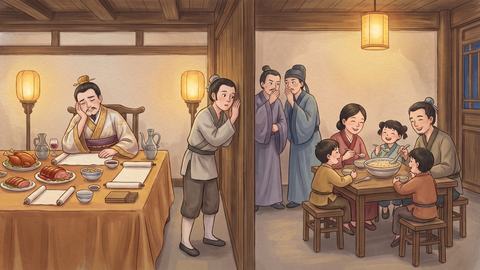 34易輶攸畏 属耳垣墙
具膳餐饭 适口充肠
饱饫烹宰 饥厌糟糠
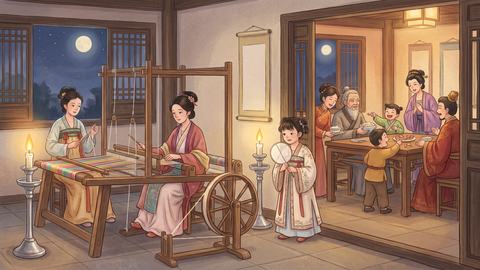 35亲戚故旧 老少异粮
妾御绩纺 侍巾帷房
纨扇圆洁 银烛炜煌
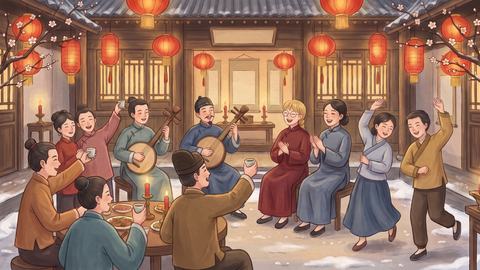 36昼眠夕寐 蓝笋象床
弦歌酒宴 接杯举觞
矫手顿足 悦豫且康